
Lake Winnecook, Then and Now:
A 52-Year Perspective
Fifty-two years ago, Unity College published Winnecook—A Look at a Lake, a study by aquatic ecologist and Unity instructor Charles F. Rabeni. It wasn’t meant to sit on a shelf: Rabeni described it as a “tool for action.”
The 44-page report explored how people affect a lake’s natural balance, offered information to guide protection efforts, and gathered water-quality data that future generations could use to track changes.
Rabeni also knew that individual efforts could only go so far. “A strong lake association is probably the lake’s best friend because its members have a direct economic and usually selfish interest in its future,” he wrote.
He saw an association as a way to share information, advocate for protective ordinances, and keep water-quality monitoring going. His words still speak directly to our work—and to the challenges that remain.
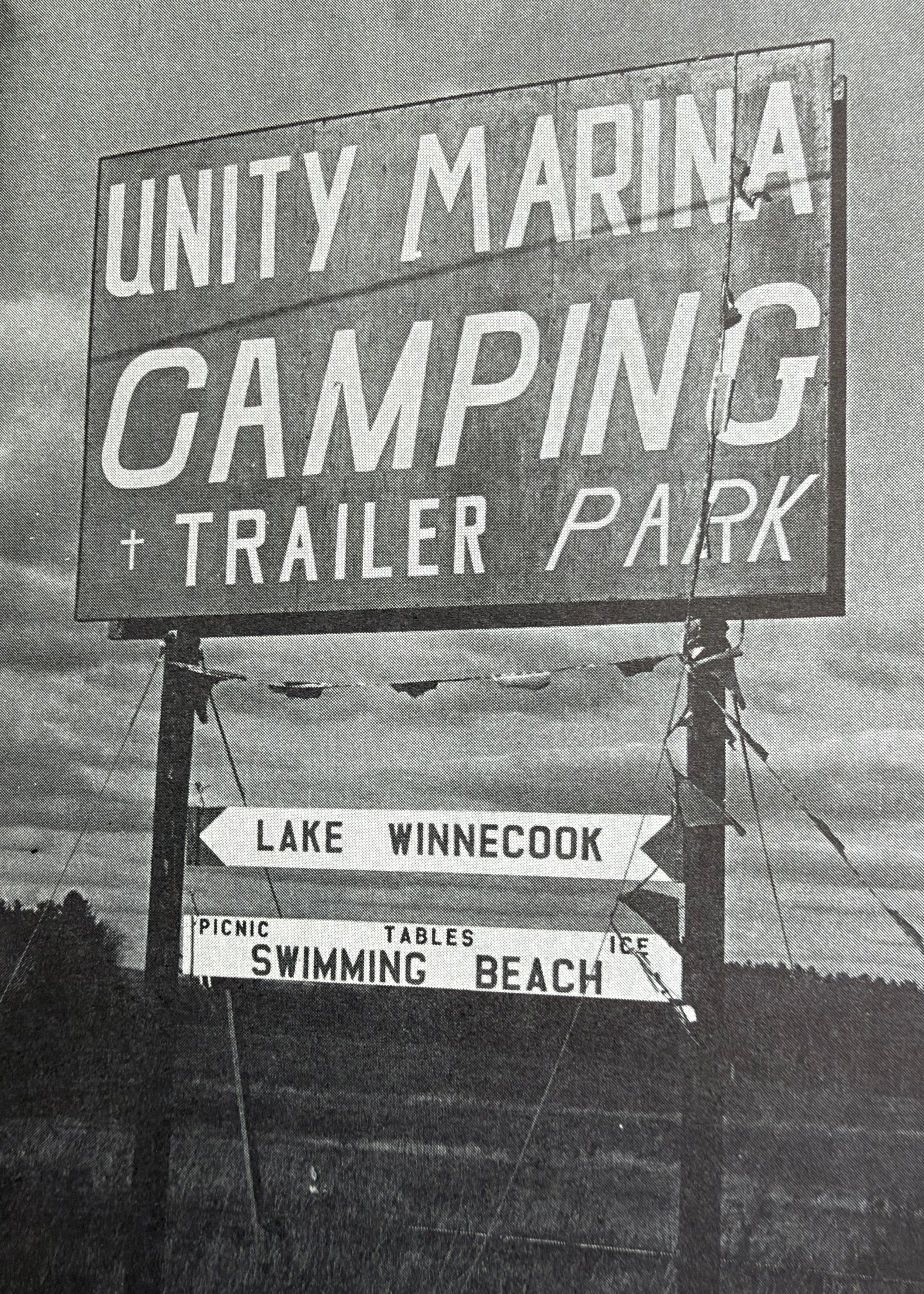
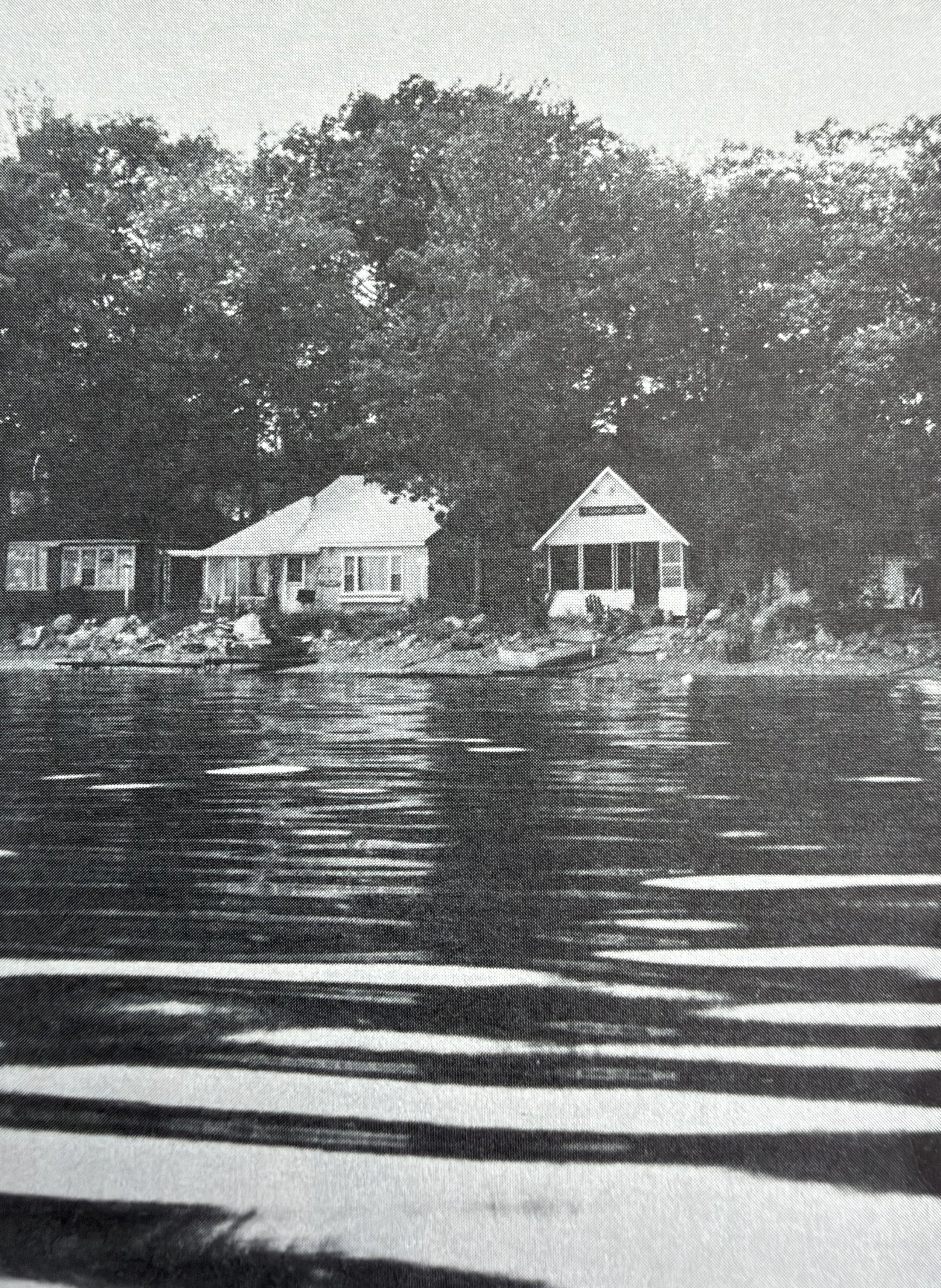
Life at camp in 1973
The report isn’t all science: It also gives us a glimpse of the people who loved the lake.
In 1973, 109 camp owners answered a questionnaire prepared by Unity College student Pam Mavrolas for Rabeni’s study. Seventy-two percent had been coming for more than a decade, and only 1% planned to sell anytime soon. The typical owner spent 94 days a year at camp and fished with a 7½-horsepower outboard. At 95% of camps, someone swam in Winnecook.
How many of those camps are still in the same families today?
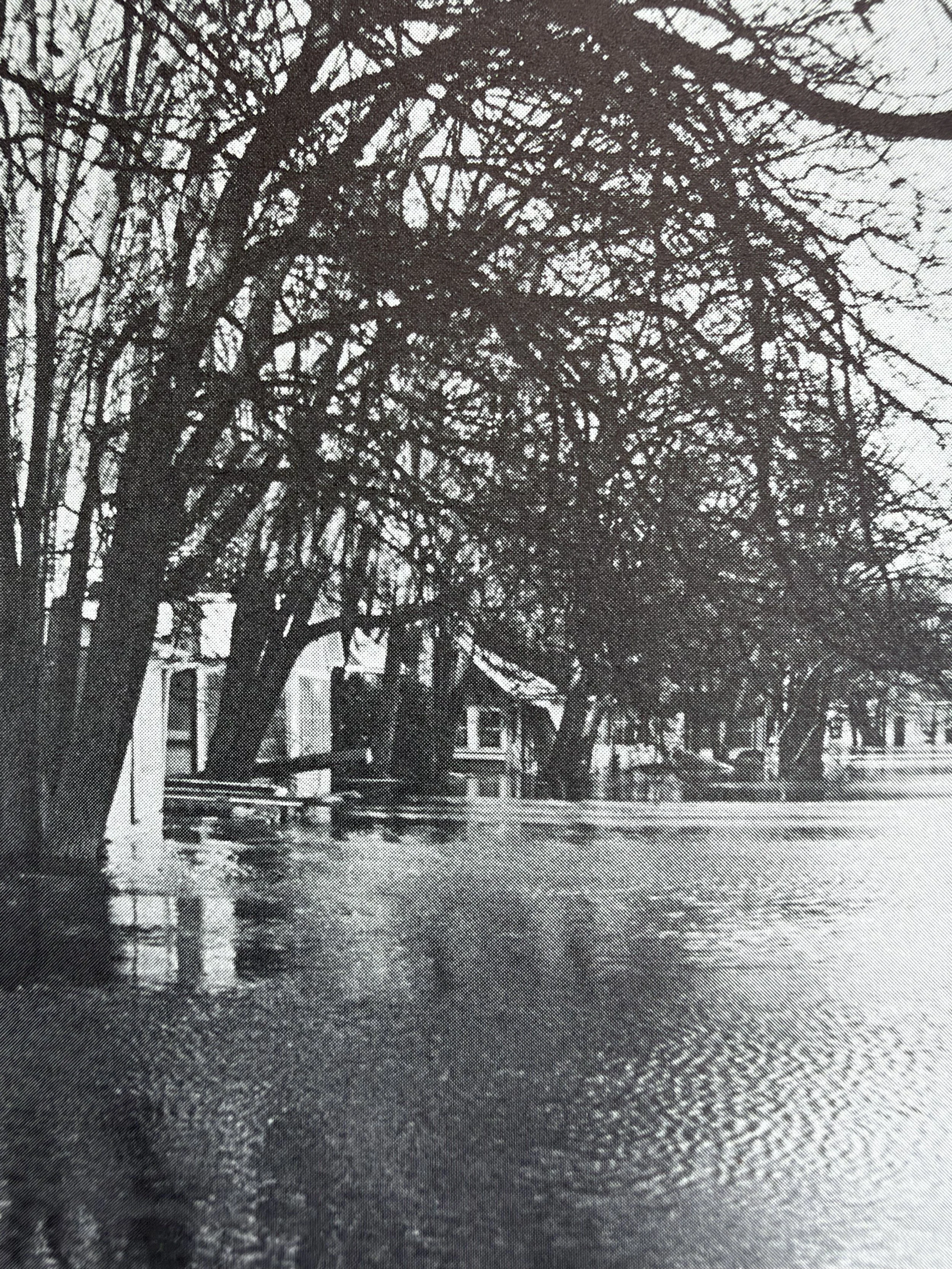
Their worries sound familiar, too. Summer algae blooms and flooding were among their biggest concerns. In late August, when camp use peaked, wind pushed algae against the shore, and some people stopped swimming. Most respondents doubted anything could be done about the lake’s problems.
Read the original 1974 report, Winnecook—A Look at a Lake. Start with “The Camp Owner” on page 5, and see what memories it brings back.
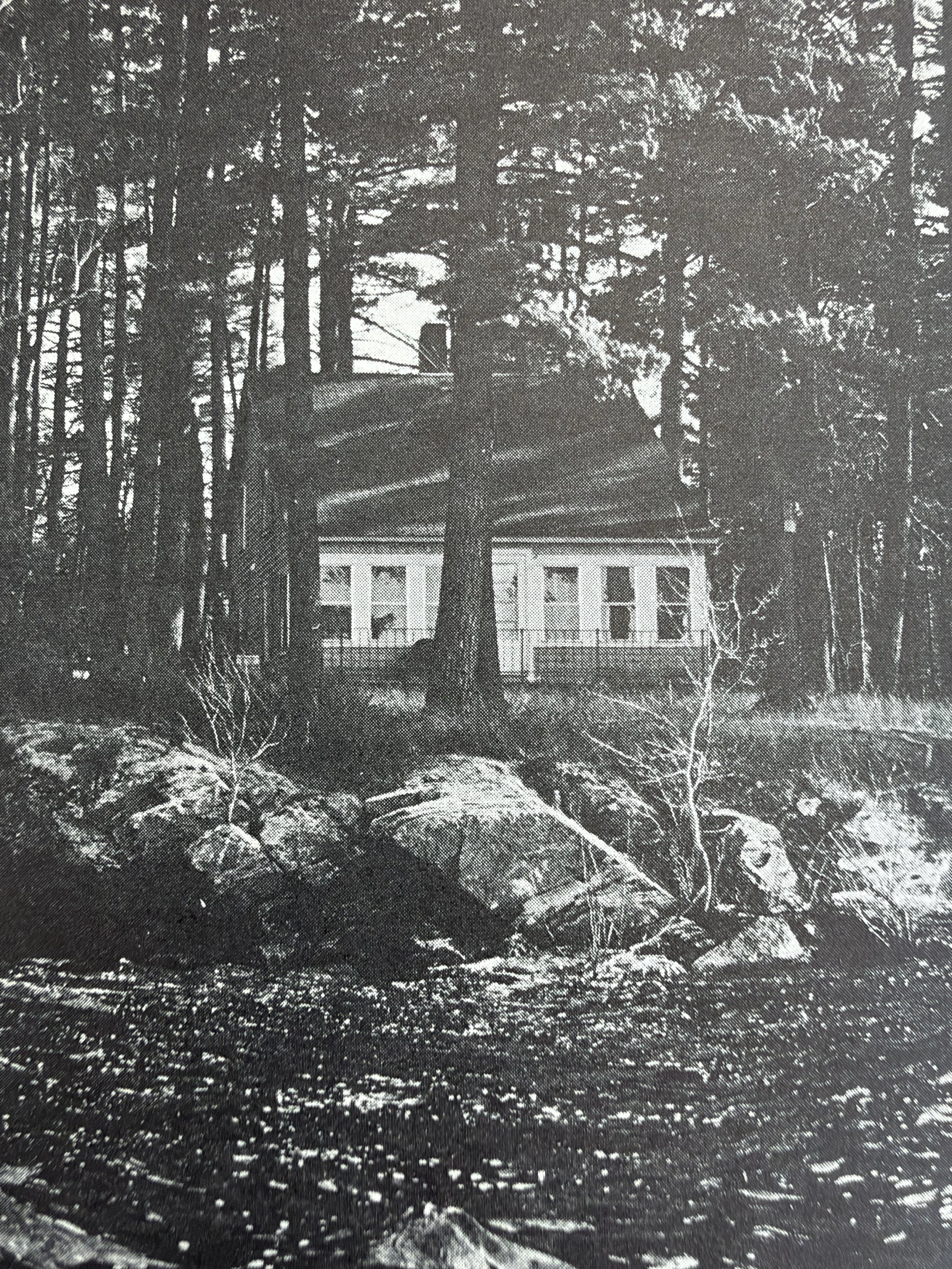
Taking the next steps together
Rabeni called for a strong lake association and for Burnham, Unity, and Troy to work together. Thirteen years later, in 1987, Friends of Lake Winnecook was established to preserve, protect, and enhance Lake Winnecook, also known as Unity Pond, and its watershed.
As we approach our 40th anniversary in 2027, that early report is part of a much larger story. Decades of water testing, watershed surveys, and sediment studies have helped us understand the lake and shape our planned rehabilitation project
The work needs to happen on two fronts. With the Waldo County Soil & Water Conservation District and other partners, we’ll keep improving gravel roads and drainage and stabilizing shorelines so less phosphorus washes into Winnecook.
But phosphorus already stored in the lake bottom can return to the water when oxygen levels get very low, feeding more algae growth. The planned alum treatment would bind that phosphorus, making it less available to fuel blooms. Continued watershed work will help those gains last.
In 1973, many camp owners weren’t sure the lake’s problems could be solved. Today, we know more, have strong partners, and have a plan. What hasn’t changed is how much this lake means to the people who spend time here—and why it’s worth protecting.
Our opportunity now is to use what generations have learned to give the lake a healthier future.
Click here if you would like to contribute toward our lake’s rehabilitation effort. Remember, every dollar you pledge is matched dollar for dollar, as long as your donation is received by Dec. 31, 2026.